
Take 5 Oil Change: Proud To Be Named As A CARFAX Top-Rated Service Center

Take 5 Oil Change: Proud To Be Named As A CARFAX Top-Rated Service Center
Read MoreViscosity of Oil: Key Facts and Oil Numbers Explained
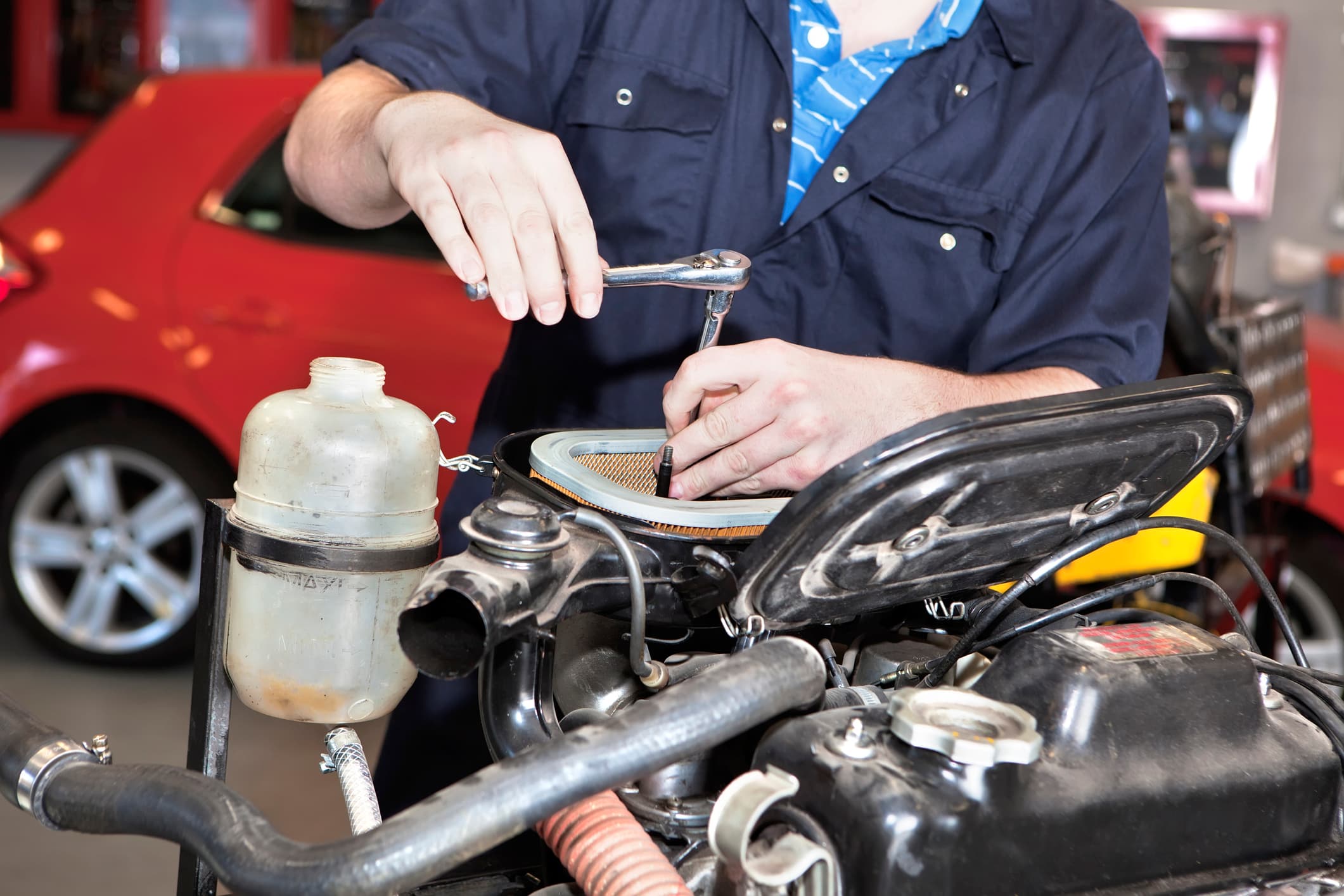
Viscosity of Oil: Key Facts and Oil Numbers Explained
The viscosity of oil is a crucial factor in maintaining your vehicle’s engine health. Viscosity refers to the thickness of the oil and its resistance to flow. Understanding oil viscosity helps you make the right decision when getting your car’s oil changed. Whether you’re new to car maintenance or a seasoned driver, knowing the importance of oil viscosity can significantly impact your vehicle’s performance and longevity.
Read MoreWhat Is a Full-Service Oil Change?
What Is a Full-Service Oil Change?
Routine oil changes are key to keeping your car in great condition for many miles to come. However, not all oil changes include the same services. Every vehicle deserves a regular, top-quality, full-service oil change treatment without much extra hassle.
Read MoreKnowing When to Replace Windshield Wipers
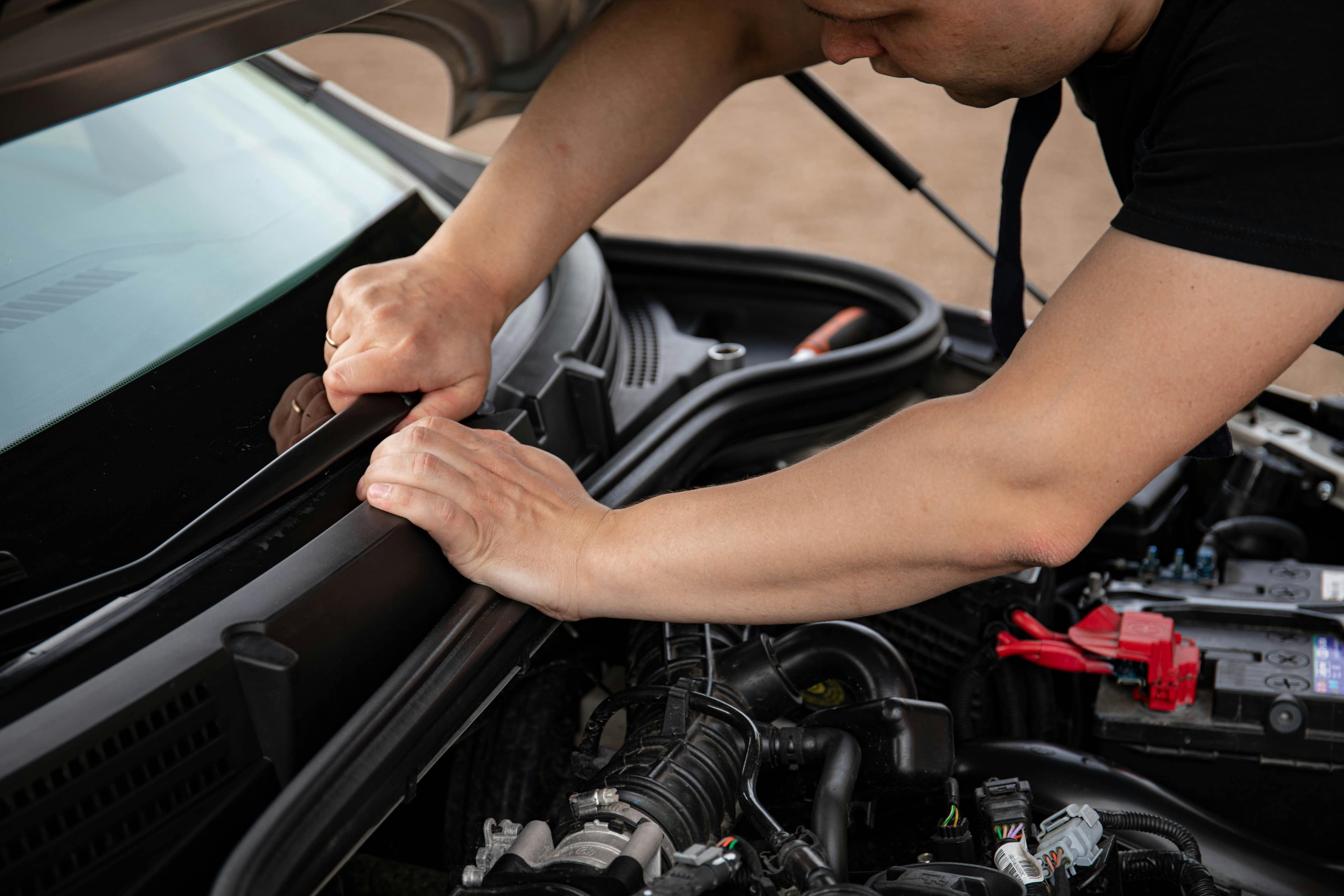
Knowing When to Replace Windshield Wipers
There’s nothing worse than the sinking feeling and anxiety from driving in the rain or snow and discovering you can’t see clearly. Knowing when to replace your windshield wipers can give you peace of mind when those raindrops or snowflakes begin to fall. It may seem like a small thing to worry about, but having clear visibility and properly working windshield wipers are a matter of safety. Your sight accounts for 90% of your driving decisions, and the weather is a significant factor in your vision and how you control your vehicle. Properly working wipers can save lives.
Read MoreDo Hybrid Cars Need Oil Changes? Debunking Misconceptions
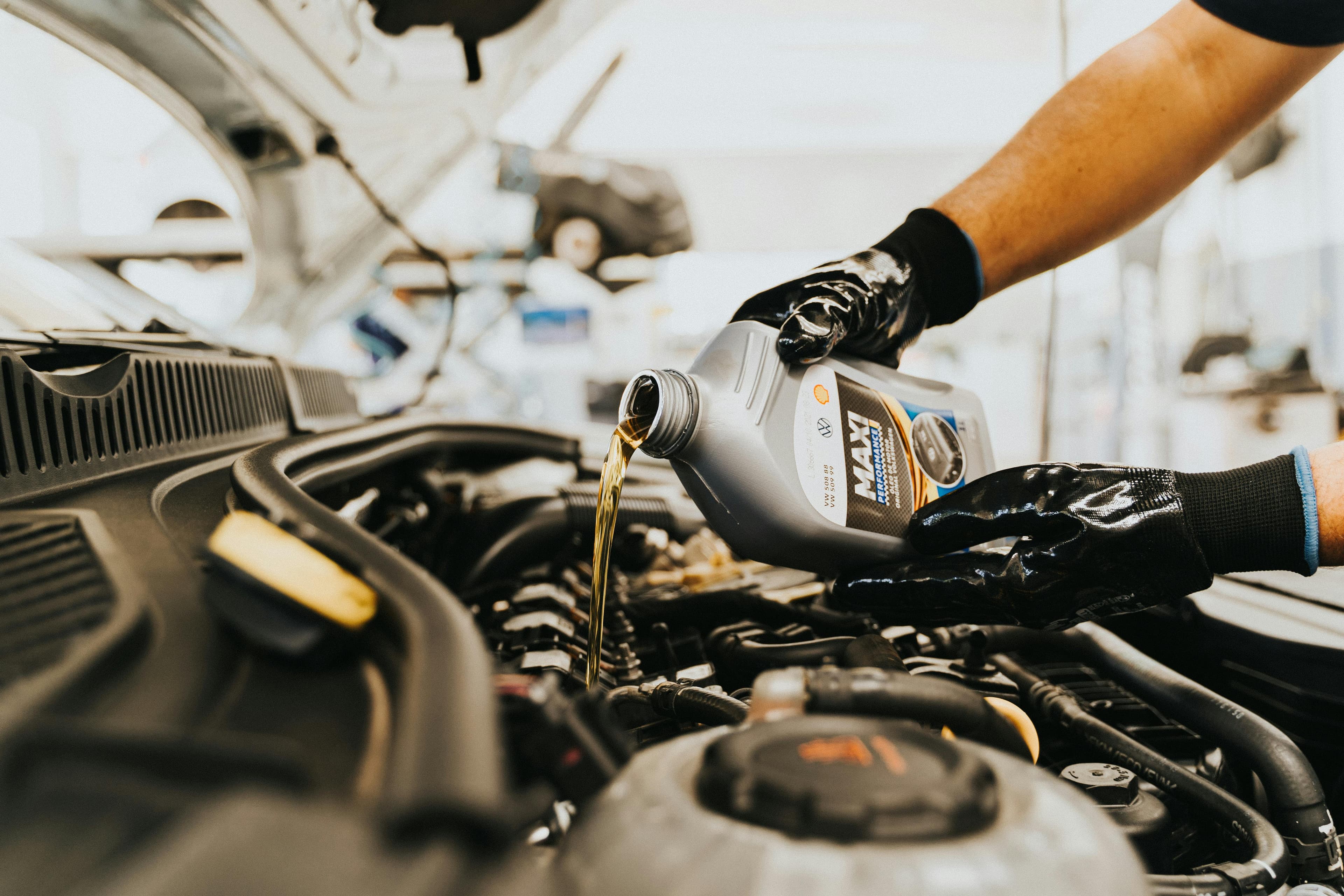
Do Hybrid Cars Need Oil Changes? Debunking Misconceptions
As hybrid vehicles increasingly grace our roads, reflecting a shift toward more environmentally friendly transportation, a common question arises: Do hybrid cars need oil changes? Yes, hybrid cars need oil changes on a regular basis. While hybrids represent a blend of traditional combustion engines and electric motor technology, there's often confusion about their upkeep. Let’s explore the reality of hybrid vehicle care, clarifying the facts and dispelling the myths about their maintenance requirements.
Read MoreHow Often to Change Diesel Oil: Understanding Oil Change Intervals

How Often to Change Diesel Oil: Understanding Oil Change Intervals
If you’re new to driving a diesel vehicle, one of the questions you might have is how often to change your diesel oil. In some ways, it’s not very different from changing the oil for a regular gasoline engine. You’ll find a standard mileage range in your vehicle’s manual that can serve as a good guide. However, there are additional factors you should consider when determining diesel oil change intervals. Here are some quick tips to help you anticipate the best time to stop by Take 5 for an oil change. However, there are additional factors you should take into consideration when determining diesel oil change intervals. Here are some quick tips to help you anticipate the best time to stop by Take 5 for an oil change.
Read MoreEngine Air Filter vs. Cabin Air Filter: What's the Difference?

Engine Air Filter vs. Cabin Air Filter: What's the Difference?
High-quality air is crucial for both your body and your car's engine. That's why you'll find air filters and cabin filters in the engine compartment and the vehicle's cabin. Learn more about cabin filters vs air filters and how to care for them here.
Read MoreThe Best Car Oil for Winter: How Cold Weather Affects Oil
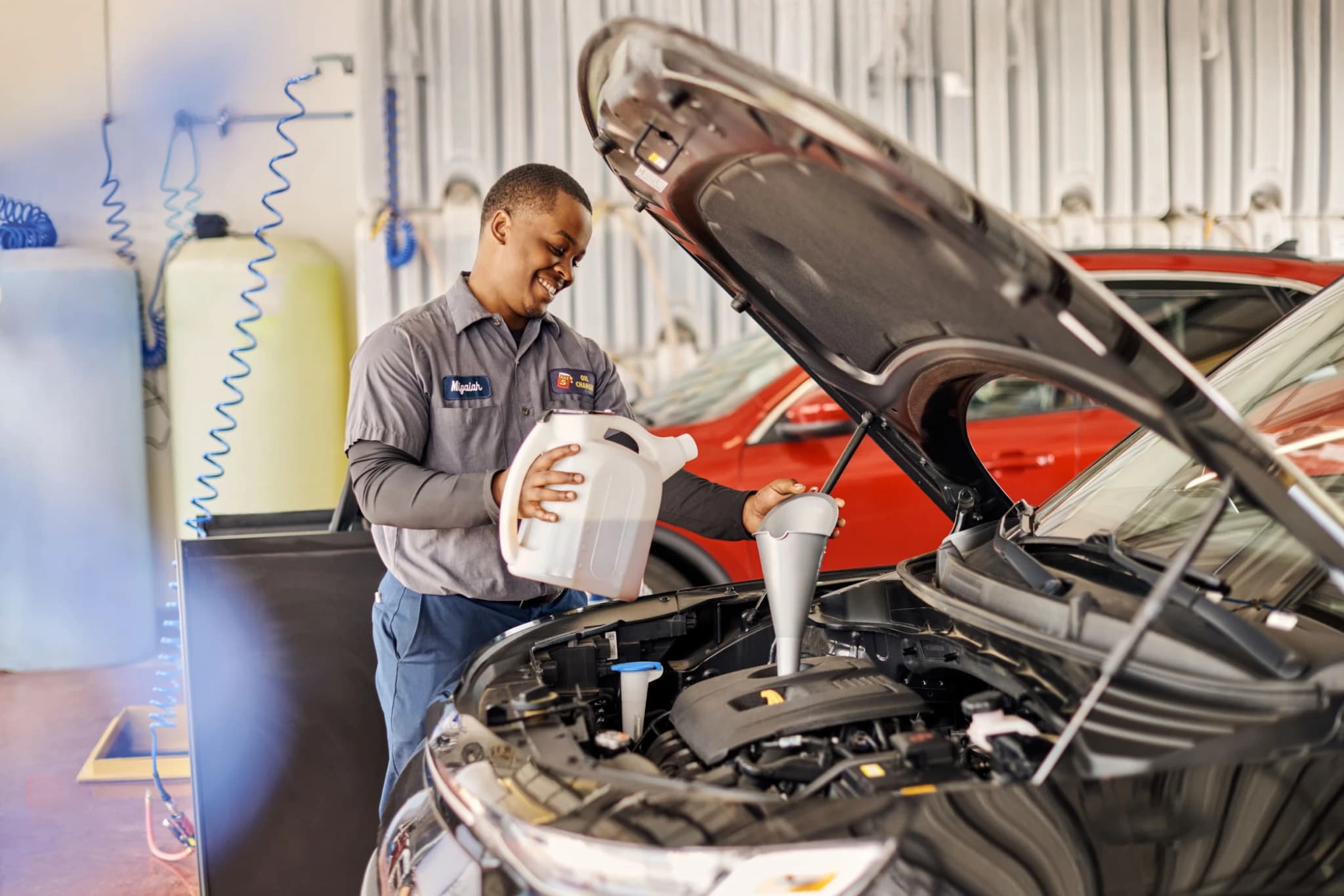
The Best Car Oil for Winter: How Cold Weather Affects Oil
Cold temperatures can significantly impact engine oil, affecting your car’s overall performance. Keeping things running smoothly during winter requires preparation. That’s why choosing the right engine oil for winter is essential—so your car is prepared for whatever comes.
Read MoreThe Top 7 Benefits of Oil Changes—and Why They’re Important
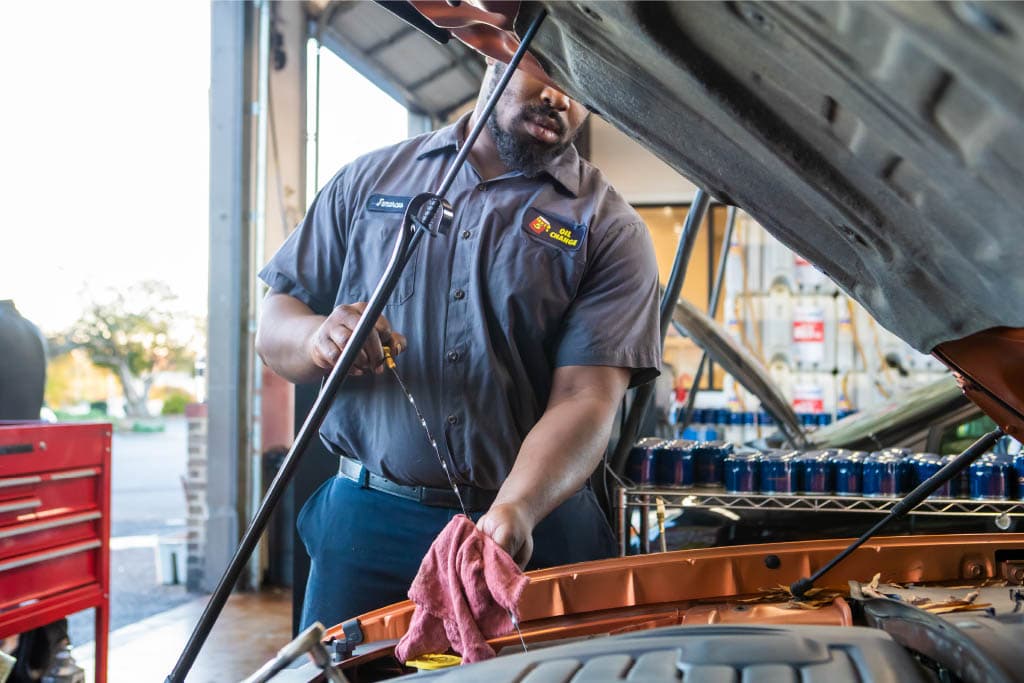
The Top 7 Benefits of Oil Changes—and Why They’re Important
Regular oil changes are one of the most important preventative car maintenance services performed—perhaps the most important. Understanding the pivotal benefits of an oil change can help you make an informed decision about the quality and type of oil you use and how often you have your vehicle serviced.
Read MoreWhat Does the Oil Light Mean? How to Take Care of Your Vehicle

What Does the Oil Light Mean? How to Take Care of Your Vehicle
Eventually, every driver has to deal with an oil warning light. While receiving the message can elevate your anxiety, there’s no reason to panic as long as you take the appropriate action. What does the oil light mean? Well, you should know two types of warning lights: an oil change and an oil pressure light. Several reasons, such as a clogged filter, low oil levels, or faulty sensors, can cause both. Scheduling an oil change is the best way to keep your car running efficiently and deal with the problems those lights represent. Let’s examine what those lights indicate, the main causes, and what you can do when faced with this situation.
Read More