
Do You Really Need High-Mileage Oil? What It Means and When to Use It
If your vehicle has racked up more than 75,000 miles, chances are you’ve heard the term high-mileage oil come up during service visits or oil change recommendations. For many drivers, the term raises more questions than answers. What is high-mileage oil, and does it really make a difference—or is it just clever branding? As engines age, their needs change. That’s where this specially formulated oil comes into play, offering benefits tailored specifically for older vehicles.
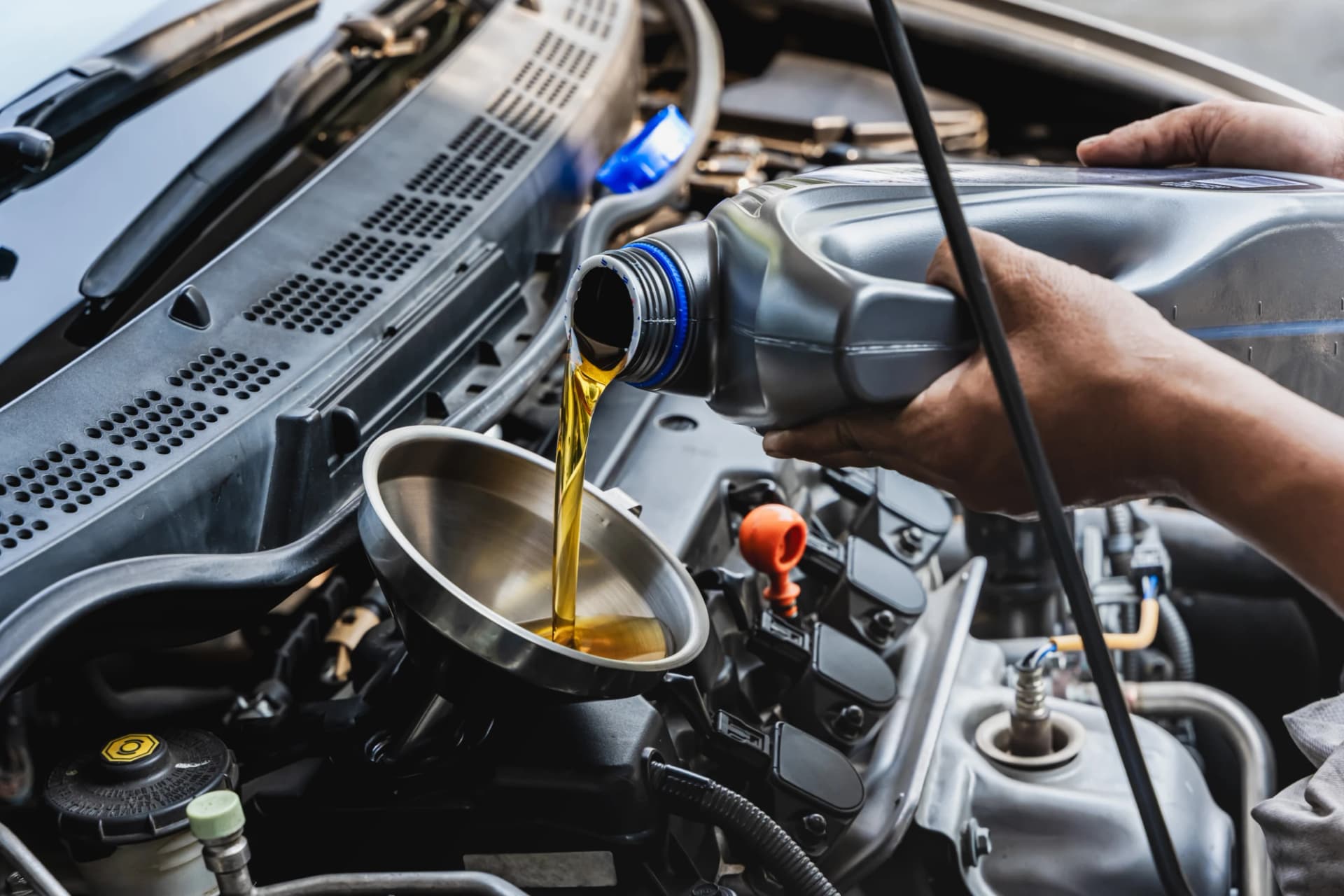
If your vehicle has racked up more than 75,000 miles, chances are you’ve heard the term high-mileage oil come up during service visits or oil change recommendations. For many drivers, the term raises more questions than answers. What is high-mileage oil, and does it really make a difference—or is it just clever branding? As engines age, their needs change. That’s where this specially formulated oil comes into play, offering benefits tailored specifically for older vehicles. For those driving vehicles that have seen a lot of the road, it may be one of the simplest ways to keep your engine protected and running stronger for longer.
What Is High-Mileage Oil?
Unlike conventional motor oil, high-mileage motor oil is specifically engineered to address the wear and tear experienced by older engines. Vehicles with more than 75,000 miles on the odometer often suffer from aging seals, minor oil leaks, reduced efficiency, and sludge buildup. High-mileage oil is designed to combat these common issues, ensuring better protection for aging engine components. It’s available in several types, including conventional, synthetic blend, and high-mileage synthetic oil, giving you flexibility depending on your driving habits and your vehicle’s condition.
High-Mileage Oil vs Regular Oil: What’s the Difference?
Standard motor oil is formulated primarily to lubricate and cool, but high-mileage oil offers more robust protection. The key difference lies in its enhanced additives. High-mileage oil contains contains unique blend of additives to clean the inside of the engine, help reduce leaks, and maintain optimal oil thickness. These features are especially beneficial for older engines, which often need a thicker oil film to maintain internal pressure. Regular oil might do the job in newer engines, but for those concerned with oil leak prevention and engine longevity, high-mileage formulas offer meaningful advantages.
Signs You Might Need High-Mileage Oil
Deciding when to use high-mileage oil often starts with recognizing subtle changes in how your car behaves.
- One of the most common signs is excessive oil consumption. If you find yourself topping off your oil more frequently, especially between scheduled changes, it may be a sign your engine is burning oil.
- Minor leaks on your driveway, reduced engine performance, or even unfamiliar noises can indicate aging internal parts that could benefit from a more protective oil blend.
- Of course, hitting the 75,000-mile mark is a good general milestone, but many symptoms can show up even earlier in some vehicles. For many drivers, switching to the best oil for older cars is not just about the mileage, but about addressing those changes before they turn into costly repairs.
Do All Older Cars Need It?
While high-mileage oil for engines over 75,000 miles is widely recommended, it isn’t a universal requirement. Some engines that have been meticulously maintained may not need high-mileage oil until well past the 100,000-mile mark. Others may need it sooner due to driving conditions, past neglect, or specific design quirks. It’s also worth noting that not every older engine will benefit from switching, particularly if it’s not showing any of the signs mentioned earlier. The best way to decide is to consult your owner's manual or speak with a trusted technician. At Take 5, every oil change includes a quick review of your engine’s condition and mileage to help determine the best oil for your older car - so you're never left guessing.
Can High-Mileage Oil Fix Leaks?
One common misconception is that high-mileage oil can repair oil leaks. While it may help slow small leaks by conditioning hardened or shrunken seals, it’s not a fix-all solution. If your engine is suffering from a major gasket failure or cracked components, no oil blend will solve the underlying mechanical problem. However, for minor seepage or preventative maintenance, high-mileage oil can play a role in avoiding further deterioration. It’s more about mitigating the early signs of trouble than acting as a substitute for necessary repairs.
Why Our Techs Recommend the Right Oil for Your Vehicle
Every visit to Take 5 includes more than just draining and filling. Our technicians take the time to assess your vehicle’s mileage and condition, ensuring you receive the oil type that aligns with your car’s needs. If your vehicle qualifies, we’ll recommend a high-mileage synthetic oil or blend that supports its longevity without overselling unnecessary upgrades. And with our stay in your car oil change model, you never have to step inside a waiting room. From the driver’s seat, you can watch the process, ask questions, and drive away confident that you’re giving your car the best possible care.
It’s About Protection, Not Just Mileage
In the end, the benefits of high-mileage motor oil extend beyond simple wear and tear—it’s about proactive maintenance. Switching to a high-mileage formula helps extend the life of your engine, reduce the chance of leaks, and improve performance over time. It’s a modest investment with long-term gains, especially when your vehicle is your daily driver or family transport. Rather than relying on arbitrary numbers, pay attention to your car’s behavior, and don’t hesitate to ask for expert guidance. Stop by your local Take 5 Oil Change and let our techs help you choose the right oil — all without leaving your car.