
Is Coolant Important for Spring Car Maintenance?
As the weather warms up, your car’s engine faces a new set of challenges. Spring brings rising temperatures, and without proper temperature regulation, your engine can overheat—potentially causing expensive damage.
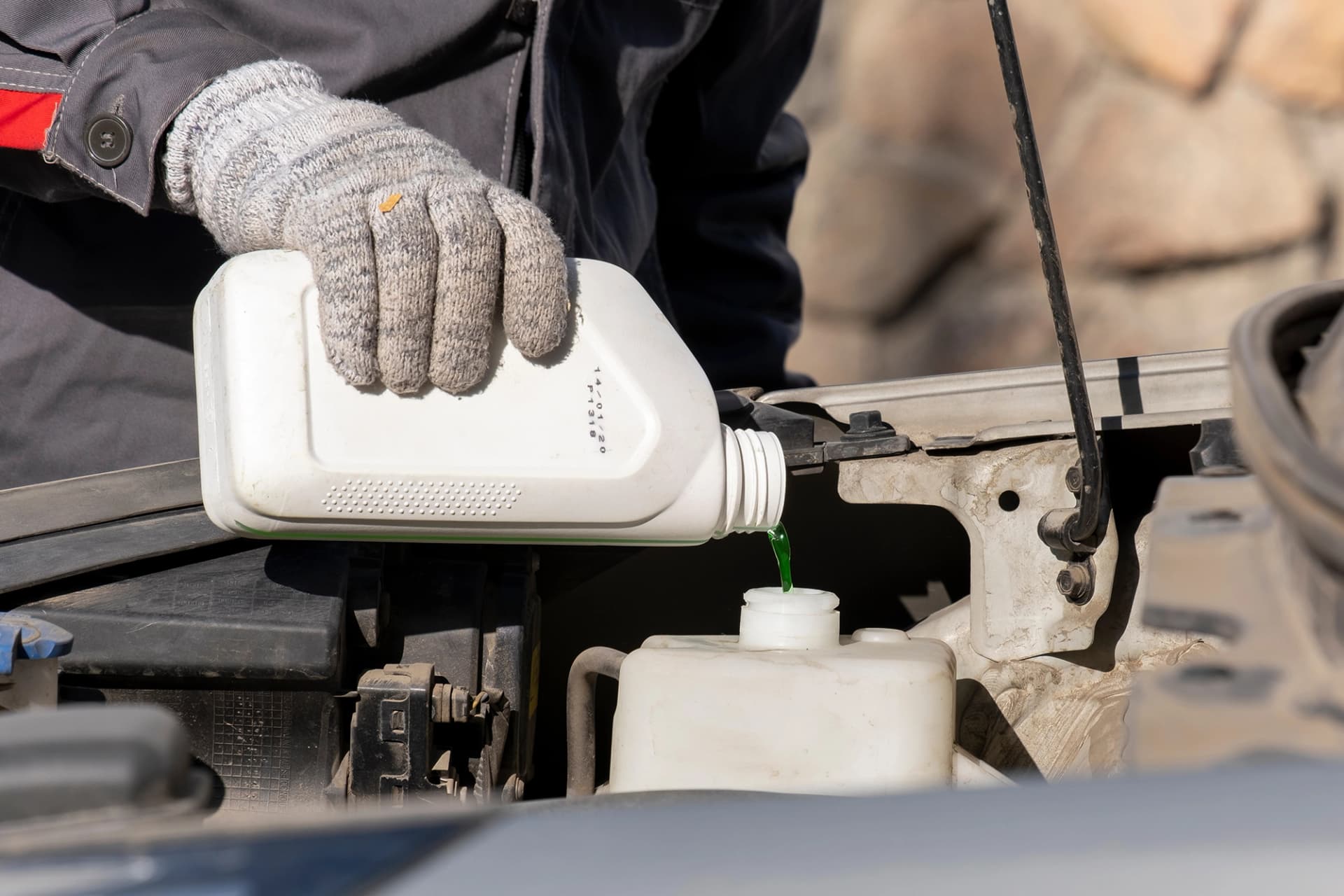
As the weather warms up, your car’s engine faces a new set of challenges. Spring brings rising temperatures, and without proper temperature regulation, your engine can overheat—potentially causing expensive damage. That’s why engine coolant is so important. If you’ve ever wondered what does coolant do for a car, the answer is simple: it helps maintain a stable engine temperature, prevents overheating, and protects internal components. In this guide, we’ll break down what coolant is used for, why it’s critical during spring and summer, how to maintain it, and how Take 5 can help keep your engine running at its best.
What is Coolant Used For?
Coolant is a specially formulated liquid that helps regulate your engine’s temperature, especially during warmer months. It’s usually made from a mixture of water and either ethylene glycol or propylene glycol. When properly mixed, coolant circulates through the engine, absorbing heat and transferring it to the radiator where it is safely dissipated.
Beyond just cooling, coolant contains additives that prevent rust, corrosion, and scale buildup within your engine’s cooling system. If you’re wondering what does antifreeze do, these functions are at the heart of it—protecting your engine from both high heat and long-term wear. Take 5 offers fast and reliable maintenance services so you can stay ahead of seasonal car care with ease.
Why Coolant Matters in the Spring
Many people ask, what does coolant do for a car in spring or summer? The answer is: it keeps your engine from overheating, which becomes a bigger concern as outside temperatures rise. Coolant’s job doesn’t stop when winter ends—it remains essential year-round. Here’s why it’s especially important during the warmer months:
Prevents Overheating in Warmer Weather
Water alone evaporates quickly and isn’t enough to manage engine heat. Coolant raises the boiling point of the liquid in your cooling system, allowing it to function efficiently—even on hot spring and summer days.
Protects Against Corrosion and Mineral Buildup
Spring often brings moisture, humidity, and changes in driving conditions. Coolant helps prevent internal rust and corrosion and keeps components like the water pump and radiator clean and functioning properly.
Improves Vehicle Reliability
Maintaining the right coolant levels helps your car perform consistently, reducing the chance of breakdowns or overheating during longer spring road trips.
Is Antifreeze Coolant?
A common question drivers ask is antifreeze coolant? The answer is yes—antifreeze is the base chemical (usually ethylene glycol), and coolant is the final mixture of antifreeze and water. Knowing this difference can help you choose the right product for your vehicle. While antifreeze is vital in winter for preventing freezing, it’s also a major player in keeping your engine cool when the weather heats up. The properties that prevent freezing also help dissipate heat, making coolant essential for spring and summer driving.
When to Use Coolant vs. Antifreeze
If you're topping off your vehicle’s cooling system, you’ll likely use pre-mixed coolant for convenience. However, if you’re doing a full coolant exchange, you may need concentrated antifreeze and must mix it with distilled water per your vehicle’s specs. Take 5 offers quick and convenient coolant services—no appointment required.
How to Maintain Proper Coolant Levels
As part of your spring maintenance checklist, make it a habit to check your coolant. Seasonal shifts in temperature can affect fluid levels and performance. If you’ve ever asked what does antifreeze do or what is coolant used for, maintaining those levels is the key to ensuring they keep doing their job.
Signs You Should Check or Replace Your Coolant
- Engine runs hotter than normal or the temperature gauge fluctuates.
- You notice brightly colored leaks (green, pink, orange, or blue) under the car.
- There’s a sweet, syrup-like smell under the hood, which may indicate a coolant leak.
- Poor AC or heater performance, especially after winter use.
- Coolant appears discolored, rusty, or contains particles.
- The engine overheats even though the coolant level appears sufficient.
How to Check Your Coolant Levels
- Make sure the engine is cool before checking.
- Locate the coolant reservoir—it’s typically a translucent plastic tank marked with minimum and maximum lines.
- If the level is low, top it off with the appropriate coolant.
- Check the fluid’s color—it should be bright and clear, not murky or contaminated.
When to Replace Coolant
Just like oil, coolant breaks down over time. Spring is a great time to flush and replace old coolant, especially if it hasn’t been changed in the last 30,000 to 50,000 miles—or as recommended in your owner’s manual. Long-life coolants may last up to 100,000 miles, but it's best to inspect your system regularly.
Old or degraded coolant can’t properly manage heat and may cause internal damage, including blockages or corrosion in the radiator and engine components. Understanding what coolant is used for will help you prioritize this part of your car's care.
Tips for Topping Off Coolant Safely
- Use the correct coolant type for your vehicle (check your manual).
- If using concentrated antifreeze, mix it with distilled water before adding.
- Fill the reservoir slowly to the appropriate level.
- Seal the cap securely and monitor levels regularly.
Take 5 Coolant Services for Spring-Ready Vehicles
At Take 5, we make spring car maintenance quick and convenient with expert coolant care.
- Coolant exchange – We’ll drain old fluid, clean the system, and refill it with fresh, manufacturer-recommended coolant.
- Top-off service – Low on coolant? We’ll top it up quickly with the correct blend.
- Cooling system inspections – Our technicians check for leaks, corrosion, and other spring maintenance concerns.
We use premium coolant products that meet or exceed industry standards. Whether you’re prepping for warmer weather or hitting the road for a spring getaway, you can count on Take 5 to keep your engine running cool and protected.
Still have questions or concerns about your vehicle? Stop by your nearest Take 5 location and let our expert team help you keep your engine in peak condition—no appointment needed.