
What to Do When Your Check Engine Light Comes On
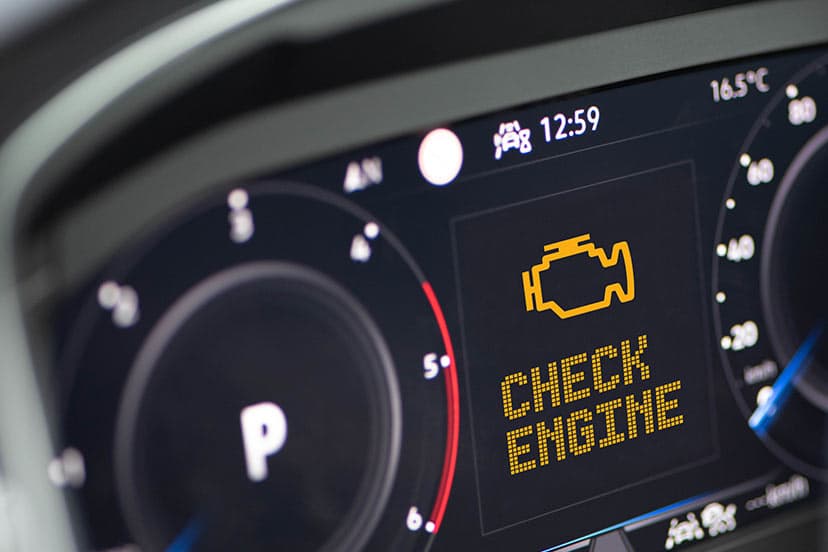
When your dashboard lights up, it is easy to spiral into worst-case thinking. A lot of drivers either panic or do the opposite and keep going, hoping the warning disappears. If you are thinking, “Why is my check engine light on?” you are not alone. The good news is that this light is designed to get your attention early, before a small issue becomes a bigger one.
What to Do When Your Check Engine Light Comes On
When your dashboard lights up, it is easy to spiral into worst-case thinking. A lot of drivers either panic or do the opposite and keep going, hoping the warning disappears. If you are thinking, “Why is my check engine light on?” you are not alone. The good news is that this light is designed to get your attention early, before a small issue becomes a bigger one.
The most important thing is not to ignore it. Your car’s computer turns the light on when it detects something that could affect engine performance or emissions. Sometimes it is something simple, like a loose gas cap. Other times it is a problem that needs attention soon. If you want quick peace of mind, you can drive into Take 5 for help with routine maintenance and an expert set of eyes, with no appointment needed.
What the Check Engine Light Means
The check engine light (opens in a new tab), sometimes called the malfunction indicator lamp, comes on when your vehicle’s onboard diagnostics system detects a fault. Most of the time you will see one of two behaviors, a steady light or a blinking light, and that difference matters.
A steady check engine light usually means a problem has been detected and stored as a code, but the vehicle may still feel normal. That does not mean it is harmless. It means you should check it soon, especially if you notice rough running, reduced power, or poor fuel economy.
If you see check engine light flashing, treat it as urgent. A flashing light is commonly tied to an active misfire condition that can overheat and damage the catalytic converter. In other words, it is not the time to “see if it goes away.” If it starts flashing, reduce load immediately and plan to stop driving as soon as it is safe.
Drivers may get confused by the wording on the dash. Check engine light vs service engine soon is not always identical from one brand to another, but the general idea is that “check engine” points to a detected fault, while “service engine soon” can sometimes be used as a maintenance reminder depending on the vehicle and manufacturer. If you are unsure, treat either light as a reason to check your vehicle soon rather than waiting.
Common Reasons Your Check Engine Light Turns On
When your check engine light comes on, the cause can range from a quick fix to something that needs a professional diagnosis. Below are some of the most common triggers, what they usually mean, and how serious they may be.
Loose or Faulty Gas Cap
A loose, missing, or worn gas cap is one of the most common reasons the check engine light turns on. Your vehicle’s emissions system monitors fuel vapor leaks, and a cap that is not sealing can trigger a code. This is often a low-severity issue, but it is still worth addressing because vapor leaks can affect emissions and sometimes fuel economy.
Oxygen Sensor Issues
Oxygen sensors help your vehicle adjust the air-fuel mixture and monitor emissions performance. When an oxygen sensor fails or reads incorrectly, it can lead to reduced fuel economy and increased emissions. It can also contribute to catalytic converter damage if ignored long enough, since an incorrect mixture can stress the exhaust system.
Catalytic Converter Problems
The catalytic converter is a key part of the emissions system. If it is not working properly, you may notice sluggish acceleration, poor performance, or unusual smells. Catalytic converter problems are often higher severity because the part is expensive and its failure can be tied to underlying issues like misfires or oxygen sensor problems.
Spark Plug or Ignition Issues
Ignition problems, such as worn spark plugs or failing ignition coils, are common triggers. These issues can cause misfires, rough idle, or hesitation during acceleration. Misfires are especially important because persistent misfiring can quickly overheat the catalytic converter, which is one reason a flashing check engine light should be taken seriously.
Emissions System Trouble
Modern vehicles use multiple emissions-related components and monitors, including the evaporative emissions system. A leak, a faulty valve, or a sensor reading out of range can cause the check engine light. Sometimes the car drives normally, which is why people delay it, but emissions faults can still cause you to fail an emissions inspection in states where testing is required.
Here is a quick severity guide to help you think clearly before you decide what to do next.
- Loose gas cap or small EVAP leak often feels normal but should be fixed soon to prevent recurring codes and emissions issues.
- Oxygen sensor issues may start with reduced fuel economy and should be checked promptly to avoid long-term exhaust damage.
- Catalytic converter problems can cause noticeable power loss and usually require professional diagnosis.
- Spark plug or ignition issues can cause misfires, and misfires can become urgent if the light is flashing.
- Emissions system trouble can be minor at first but can still cause inspection failure and should not be ignored.
What to Do Immediately When It Comes On
If your check engine light comes on, taking a few simple steps can help you understand what’s happening and decide how quickly you need service.
Check the light behavior: If it’s steady, stay calm and start with simple checks. If it’s blinking or the vehicle is running rough, reduce speed and avoid heavy driving until you can have it inspected.
Review your dashboard gauges and listen closely: Pay attention to engine temperature, oil pressure warnings, and look for reduced power warnings. If you notice overheating, loud knocking, or the car is shaking badly, do not push it. Those symptoms suggest you should stop and get help rather than continue driving.
Check your gas cap: If the vehicle seems to run normally and the light is steady, check the gas cap. If loose then tighten it until it clicks. It may take a few trips for the vehicle to clear the condition depending on the car. If you recently fueled up and the light turned on soon after, the gas cap is an especially strong suspect.
Think about recent changes: Did you notice rough idle, a fuel smell, reduced fuel economy, or hesitation? Did you recently have maintenance performed? The more detail you can share with a technician, the faster you can get to the real cause.
Schedule a diagnostic check promptly: The check engine light stores a code that can be scanned to identify the system involved, even if it does not tell the full story by itself.
If you want a convenient first stop, Take 5 can help with routine maintenance and quick service that supports overall engine health, and can guide you on what to do next if the issue needs a repair shop.
Need peace of mind? Get your light checked in minutes.
Can You Keep Driving with the Light On?
Many drivers wonder whether it’s safe to keep driving after the check engine light comes on. The answer depends on what the light is doing and how your vehicle is performing. If the light is steady, driving feels normal and you’re not noticing unusual sounds, smells, or warning gauges, it’s often reasonable to drive short distances while you arrange to have it checked. Still, it’s best not to delay, because even a “small” code can lead to reduced efficiency or create a more expensive problem if ignored.
However, if the warning is flashing or the vehicle is shaking, losing power, or overheating, that’s a sign to stop driving as soon as it’s safe. Continuing to operate the vehicle in these conditions can cause further, more costly damage. Federal and state OBD rules are designed around detecting and signaling misfire conditions that can cause catalyst damage, which is why flashing warnings exist. In practical terms, continuing to drive hard with a flashing light can turn one repair into several.
If you’re ever unsure, reduce your risk by driving gently, avoiding high speeds, and choosing a nearby service location. For a convenient and reassuring first step, Take 5 Oil Change offers quick, easy service to help you determine what’s going on and protect your engine.
When to Visit Take 5 Oil Change or a Mechanic
When your check engine light comes on, don’t panic, but don’t ignore it either. It doesn’t always mean a major repair, but it does mean your vehicle needs attention. The key is getting clear answers quickly so you can avoid bigger issues down the road.
That’s where Take 5 Oil Change makes it easy. Our trustworthy team can quickly investigate what’s going on and help you determine your next best step. If something needs further attention, we’ll point you in the right direction so you know your next best step.
Staying on top of routine maintenance like oil changes and fluid checks helps protect your engine and prevent small concerns from turning into costly repairs. Stop by a Take 5 Oil Change (opens in a new tab) near you for diagnostics and peace of mind. Drive in today - no appointment needed.
FAQs Drivers Also Ask
Can low oil cause the check engine light to come on?
Low oil can contribute to engine problems, and some vehicles may trigger warnings when oil pressure is affected. However, many cars use a separate oil pressure or oil warning light rather than the check engine light alone. If your oil is low or dirty, correcting it is important, but you should still treat the check engine light as a separate signal that may require a code scan to confirm the cause.
How much does it cost to fix a check engine light?
The cost depends on the cause. A loose gas cap might cost nothing if tightening it solves the issue, while sensors, ignition components, or catalytic converter problems can be more expensive. The fastest way to avoid unnecessary spending is to diagnose the code and symptoms early instead of guessing or replacing parts at random.
Can I reset the check engine light myself?
Many drivers ask, how can I reset the check engine light. You can sometimes clear codes with an OBD-II scan tool, and in some cases a simple fix like tightening a gas cap may allow the system to clear the light after normal driving. The key is that resetting the light does not fix the underlying problem. If the root cause is still present, the light will return.
What’s the difference between a check engine light and maintenance light?
A maintenance light is often a reminder for scheduled service like oil changes, while the check engine light is typically triggered by a detected fault related to engine performance or emissions. Because wording varies by manufacturer, use the light as a prompt to check your owner information or ask a technician, especially if you are comparing check engine light vs service engine soon messages on your dash.