
Can You Switch From Synthetic Oil to Regular Oil? (and Back Again?)
- Reviewed by Take 5
- 3 min read
- Quick Answers
- Published Oct 8, 2026
- Last Reviewed Oct 7, 2026
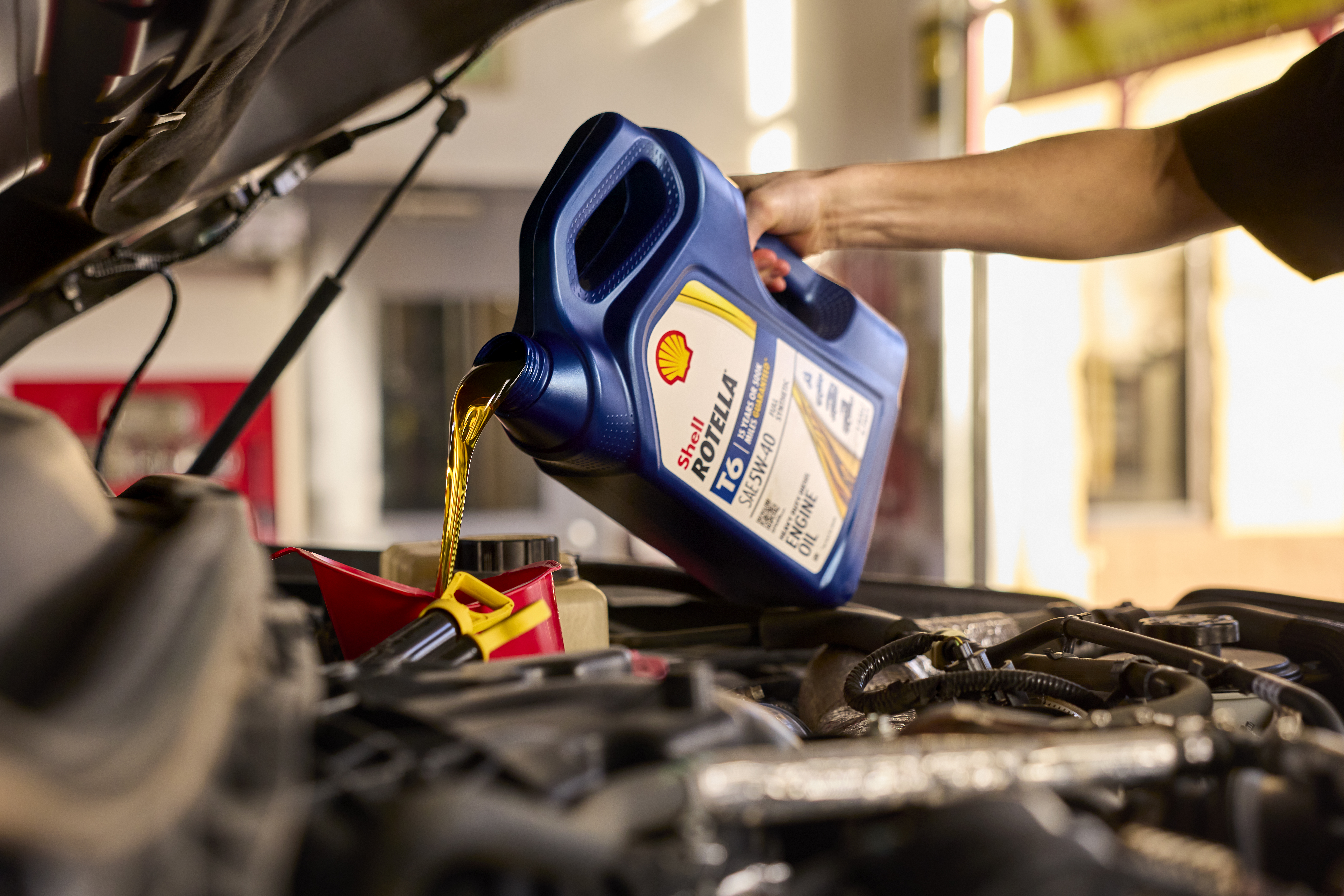
Yes, you can use regular oil after using synthetic oil without damaging your engine. You can go back the other way, too. The two oil types are fully compatible, and swapping between them won’t ruin your seals or automatically void your warranty. But “can you” and “should you” aren’t the same question. Your engine generally won’t care about the switch itself, but the bigger question is whether regular oil still meets your vehicle’s needs.
The Myth: “Once You Go Synthetic, You Can’t Go Back”
This myth has been floating around for decades. Once you use synthetic oil, you can use regular oil again without damaging your engine.
The myth traces back to the 1970s, when synthetic oils first moved from racing into everyday use. Early formulations contained ester compounds that could interact with worn seals in older, high-mileage engines, sometimes causing minor leaks. That was an issue 50 years ago, though, and modern synthetic oils don’t have that problem.
The only real rule? Whatever oil you use should meet or exceed your vehicle manufacturer’s specifications.
What Happens When You Switch Oil Types
Switching oil types doesn’t change how your engine works, but it can change how the oil performs between changes. Both oil types do the same core job. They lubricate moving parts and manage heat to protect against wear.
The difference is how long they hold up. Synthetic oil handles higher temperatures, resists breakdown longer, and keeps your engine cleaner over more miles. Conventional oil still checks every box, though it doesn’t go the distance under heavy stress.
Switching to conventional means you’ll likely need more frequent changes and give up some performance margin. But you’re not creating a problem.
If you want the best of both options, a full synthetic oil change gives your engine the longest-lasting protection per visit.
When Switching to Regular Oil Isn’t Recommended
Your owner’s manual should guide the final decision. If it specifically requires synthetic oil, that recommendation is there for a reason. Your engine was designed around synthetic’s higher performance characteristics.
Some engines run at higher temperatures, tighter tolerances, or with turbochargers that demand synthetic’s superior heat resistance and stability. Dropping to conventional oil in those vehicles can mean reduced lubrication under stress and more wear on internal components over time. It won’t destroy your engine overnight, but it does mean the oil isn’t keeping up with what your engine demands.
There’s a difference between “requires” and “recommends,” though. If your manual recommends synthetic but doesn’t mandate it, you have more flexibility. And if your car ran on conventional oil from the time you bought it, switching back to it generally won’t be an issue.
Whatever you do, don’t guess. Check the manual or ask a technician what your specific vehicle needs.
Can You Switch from Regular Oil to Synthetic?
Absolutely. You can switch from conventional to synthetic during a normal oil change without flushing the engine or special break-in procedure. Just drain the old oil, swap the filter, and fill with synthetic at your next change.
Higher-mileage or poorly maintained engines may benefit from shorter oil-change intervals at first as the synthetic oil works through existing deposits.
Synthetic oil generally resists heat, oxidation, and breakdown better than conventional oil. It can also offer stronger protection against sludge and deposits and may support longer oil-change intervals, depending on the oil and your vehicle manufacturer’s recommendations.
The main trade-off is cost. A synthetic oil change typically runs higher than conventional. You can get a better sense of how much an oil change costs (se abre en una pestaña nueva) based on oil type and vehicle.
Not Sure Which Oil to Choose? Take 5 Can Help
If you’re thinking about switching from synthetic oil to regular (or going the other direction), you don’t have to figure it out alone. Take 5 technicians help drivers pick the right oil every day, based on the vehicle’s manual, its age and mileage, and how it’s driven.
You’ll get a straight answer, then you can see and hear from inside your car while the work happens in the open bay. You’ll know exactly what’s going in (and why).
Drive into your nearest Take 5 oil change (se abre en una pestaña nueva) location. No appointment needed. Just pull in and ask.
Preguntas frecuentes
Yes. Synthetic and conventional oil are fully compatible, and switching between them won’t damage your engine. The only thing to confirm is that the oil you choose meets your vehicle manufacturer’s specifications, which you can find in your owner’s manual.
No. A standard oil change — draining the old oil, replacing the filter, and filling with the new oil — is all you need. Major manufacturers confirm that no special procedures or engine flush are required when switching between oil types.
It can. Conventional oil breaks down faster than synthetic, so you’ll likely need more frequent changes. You may also notice slightly reduced performance in extreme heat or cold, since synthetic handles temperature swings more effectively. Learn more about the differences between conventional and synthetic oil (se abre en una pestaña nueva).
Yes. If your owner’s manual requires synthetic oil, stick with it. Vehicles with turbocharged engines, high-performance engines, or tight internal tolerances are built around synthetic’s heat resistance and stability. Using conventional oil in those engines can lead to faster breakdowns and increased wear over time.