
Why Is My Car Leaking Oil? Common Causes and What to Do
- Reviewed by Take 5
- 3 min read
- Quick Answers
- Published Sep 24, 2026
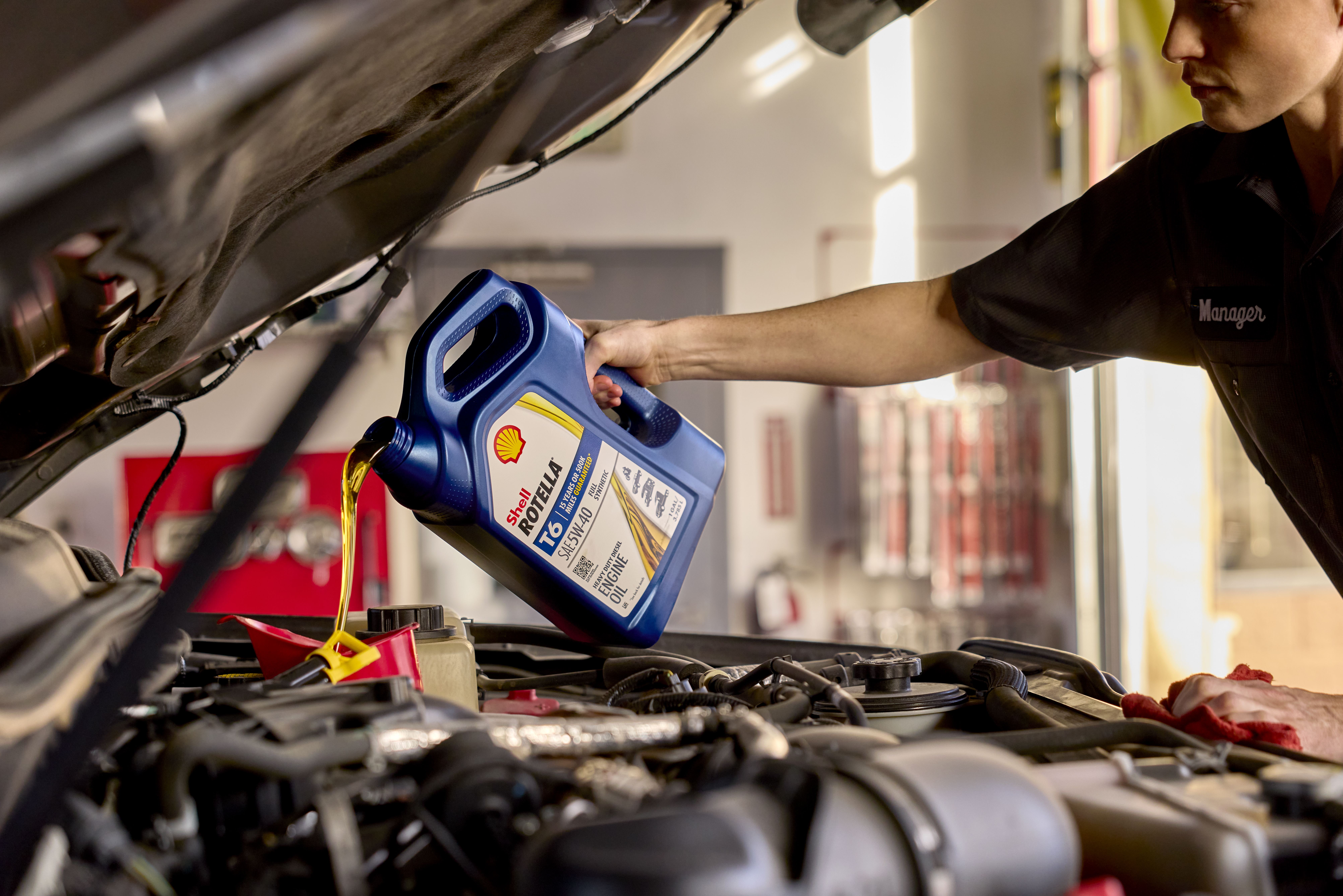
A dark stain on the driveway under your car is nobody's idea of a good morning. But before you spiral into worst-case scenarios, take a breath.
A car oil leak can range from a slow seep that's been there for weeks to a steady drip that needs faster attention. Most of them start small enough to catch early. Knowing what's behind it makes the whole thing less stressful, so let's walk through the common causes of oil leaks, what to look for, and when to act.
Most Common Causes of Oil Leaks in Vehicles
So why does your car leak oil in the first place? Most causes come down to one of five parts wearing out or failing.
1. Worn or Degraded Gaskets
Gaskets seal the joints between engine components like the valve cover, oil pan, and timing cover. Heat cycles and age harden them over time, and eventually they crack or compress unevenly, letting oil seep through. Valve cover gasket leaks are among the most common. Look for oil on the side of the engine or a faint burning smell.
2. Failing Crankshaft and Camshaft Seals
Rubber seals near the crankshaft and camshaft keep oil where it belongs. They dry out and crack with age and mileage, causing drips at the front or rear of the engine. These are trickier to catch from above since the oil usually drips straight down.
3. Loose or Worn Drain Plug
The drain plug gets removed and reinstalled at every oil change, so its threads or gasket can wear over time. That usually shows up as a slow drip from the bottom of the oil pan. The good news? Of everything on this list, this one's often the simplest fix, and it's something Take 5 checks every time you pull into the bay.
4. Oil Filter Issues
A filter that's loose, cross-threaded, or installed without removing the old gasket first can leak from day one. This shows up most often after a rushed service or a DIY oil change gone slightly wrong.
5. Damaged Oil Pan
The oil pan hangs exposed underneath the car, which puts it at risk from road debris, speed bumps, and parking lot scrapes. A dent or crack can break the seal or punch straight through it.
How to Spot an Oil Leak Early
You don't need to crawl under the car to figure out if something's off. Start with what's on the ground. Fresh oil runs amber to light brown; older oil darkens toward black. Location matters too. A puddle near the front of the car usually points to a gasket or seal, while drips closer to the middle or rear could mean the oil pan or drain plug.
Check your dipstick for another early warning. If the level drops noticeably between oil changes and there's no puddle underneath, oil may be burning off internally or leaking somewhere you can't see from above. And if your dashboard light has come on, it could be connected — check engine light problems can come on for low oil.
How Serious Is an Oil Leak?
Not every leak is an emergency, but none of them should be ignored.
A slow seep is worth mentioning at your next service visit. Not a reason to panic.
A steady drip is a different story. If you're seeing fresh spots every time you park, or the dipstick drops noticeably within a few hundred miles, get it looked at within days.
A heavy leak needs immediate attention. A large puddle under the car, an oil pressure warning light, or a burning smell means you should stop driving and get it checked.
It can be risky to wait too long to get the leak checked out. Low oil starves the engine of lubrication, which increases friction and heat and can lead to permanent damage. Oil dripping onto hot exhaust components is a fire risk too, though it's uncommon. And in plenty of states, a visible oil leak is enough to fail state vehicle inspections.
How Your Routine Oil Change Can Catch a Leak
Every time a technician drains your oil and swaps the filter, they get a clear look at the underside of your engine where most leaks start. At Take 5, the open-bay format means you see and hear the work as it happens. If something looks off, your tech will tell you. If everything checks out, they'll tell you that too.
That's the thing about keeping up with your oil changes: the leak you catch at a routine visit is almost always cheaper and simpler than the one you find six months later. Learn what happens when you skip an oil change if it has been a while.
Find a Take 5 near you, pull into the bay, and cross it off the list. Ten minutes, no appointment, and you never leave your car.
Frequently Asked Questions
It depends on the severity. A slow seep usually isn't urgent, but a steady drip or heavy leak means you should get it checked before driving further. Low oil levels put your engine at real risk.
Costs vary widely depending on the cause. A drain plug or filter fix might run you far less than a seal replacement. A Take 5 technician can give you an accurate estimate once they identify the cause of your oil leak.
Yes. Technicians see the underside of your engine during every oil change, which is where most leaks start. Staying on schedule means small leaks get caught before they become expensive repairs.