
What Happens if You Don't Change Your Oil?
- Reviewed by Take 5
- 4 min read
- Quick Answers
- Published Oct 6, 2026
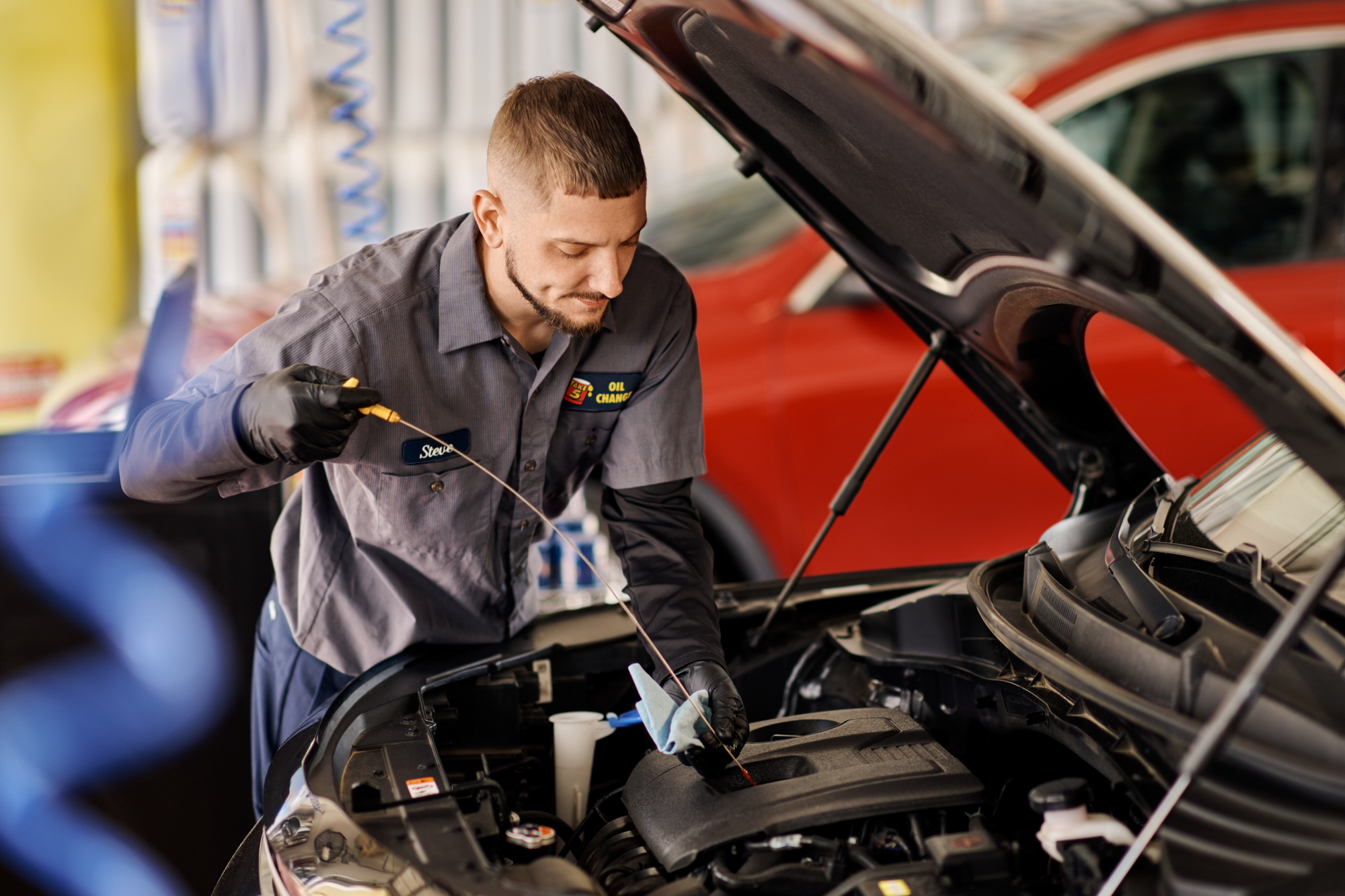
Your oil change light has been on for a while, and you've told yourself it's probably fine. Life's busy, and pushing it back another week feels harmless. But what happens if you don't get your oil changed? It does catch up with your engine eventually.
Routine oil changes keep your car running smoother for longer, and they’re much more affordable than costly engine repairs from skipping service. Here's what's really happening inside your engine, how long you can realistically wait, and when it's time to stop putting this off.
Risks of Waiting Too Long for an Oil Change
If you go too long without an oil change, you’ll experience serious consequences that affect your engine and your entire car.
Motor oil lubricates every moving part in your engine. It also carries away heat and picks up the grit and metal particles that build up as it circulates. Wait too long, and that oil turns from protection into sludge instead. It stops separating metal components the way it should, and the effects spread to other parts of your engine. Here’s a sample of some of the consequences of delaying this standard car service:
Reduced engine performance: Fresh oil keeps your engine's moving parts working the way they should. Without it, contaminants build up and components start grinding against each other. Let that go long enough, and you're looking at a full engine replacement — not a bill anyone wants to open.
Worse gas mileage: Your engine works harder when it isn't properly lubricated, and harder work means more fuel. A regular oil change helps your car run the way it was designed to.
Overheated engine: Oil absorbs heat as it circulates and carries it away from the parts that run hottest. Old, broken-down oil can't pull its weight on that job. The result is an engine that runs hotter than it should, which accelerates wear on everything inside.
Corrosion buildup: Oil coats the metal surfaces inside your engine and shields them from byproducts like carbon deposits and unburned fuel. Once the oil degrades, those surfaces are exposed. Corrosion sets in, and it doesn't reverse itself.
Voided warranties: Most manufacturer warranties require you to follow a maintenance schedule, oil changes included. Skip them, and you could lose coverage.
Skipping an oil change might feel like a small thing to put off, similar to letting state vehicle inspections (opens in a new tab) slide past their due date. But inside your engine, the consequences show up faster than you'd expect, and they touch more than just performance.
Why Do You Need an Oil Change?
Most mechanics point to changing your oil at least every 3,000 miles as a safe rule of thumb. It's a good starting point, but the real number depends on your vehicle, the oil type you use, and how you drive. Regular changes protect against everything covered above, and the payoff compounds over time.
Stick to a consistent schedule, and you’ll reap the benefits. Your engine runs cooler. Your fuel efficiency holds steady. Your car simply lasts longer. It's a small, recurring habit that saves you from a much bigger cost down the road.
How Long Can You Drive with Low Oil?
Low oil and old oil are two different problems, each with its own limit.
If your level is low, you're running on borrowed time. Most engines can handle a short drive to the nearest shop, but any real distance on low oil risks serious damage, particularly once the level keeps dropping. Oil sitting in your engine has its own clock. Even if you barely drive, oil degrades over months from sitting alone, picking up moisture and losing its protective additives.
Most manufacturers recommend a change at least once a year regardless of mileage. Given how much an oil change costs (opens in a new tab), it’s a cheaper alternative to having a serious engine issue.
Signs It's Time for an Oil Change
The easiest signal is the one built into your car: the reminder sticker on your windshield or the oil change light on your dash for newer vehicles. Both exist for a reason, and neither one is something to argue with. When you see these reminders, stop by Take 5 for a fast oil change, free fluid top-off, and tire pressure check. If you've gone past that point, watch for what happens if you don't change your oil:
Oil that looks dark and gritty instead of amber and smooth.
A burning smell that wasn't there before.
Louder engine noise, or a knocking sound under acceleration.
Smoke from the exhaust.
Any one of these means it's time to get it handled before a small fix turns into a much bigger repair.
Get an Oil Change with Take 5
If you're overdue, you already know. At Take 5, we understand that life can get hectic. The good news is you don't have to overhaul your day to fix it. Pull into an open bay, stay in your car, and get a full oil change (opens in a new tab) in about 10 minutes before we get you back on the road quickly.
No appointment, no waiting room, no guesswork about what your car actually needs. We don’t believe drivers should carry the burden of hefty maintenance costs, which is why we offer oil change coupons (opens in a new tab) for our customers.
Find a Take 5 location (opens in a new tab) near you to get your oil changed today!
Frequently Asked Questions
A little wiggle room is normal, but going long past your interval increases wear, and the risk climbs the longer you wait. Treat the interval as a limit, not a suggestion.
Yes. Old oil stops protecting your engine's moving parts, so friction and heat build up fast. Left long enough, that damage turns permanent, meaning a full engine replacement instead of a routine oil change.
Watch for dark, gritty oil, a burning smell, unusual engine noise, or smoke from the exhaust. Any of these means it's time to get an oil change immediately.